
What Commercial Photography Costs in Florida

Short answer: published day rates for commercial photography in Florida run about $1,500 to $5,000 for a full shooting day, and $3,000 to $10,000 for an experienced advertising photographer's fee alone. Quoted as whole projects, the way I quote, a smaller Florida commercial shoot runs $10,000 to $30,000, a mid-range production $30,000 to $100,000, and a larger campaign above that. The gap between them is licensing, crew, talent and finished image count.
One quote comes back at $1,800, another at $40,000. Which one is "correct"? Both, and neither. If you'd rather see the work and not talk money, start with the case studies.
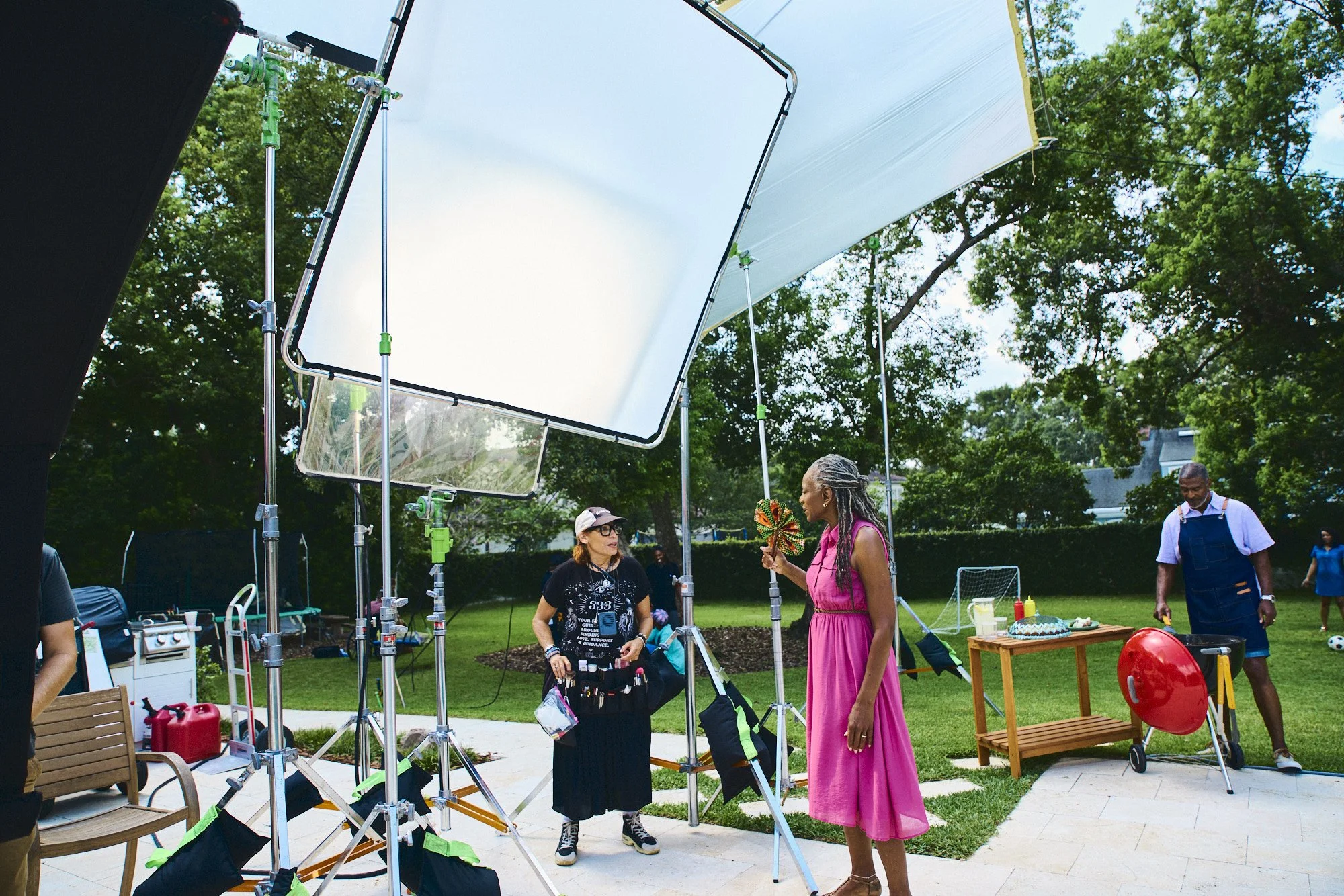
Pretty pictures take stuff…a lot of stuff…heavy stuff.
What Do Commercial Photographers Charge Per Day in Florida?
A day rate is a commercial photographer's fee for one shooting day. It covers the photographer, nothing else. Search commercial photography rates in Florida and a day rate is mostly what you'll find.
Most of what's published runs about $1,500 to $5,000 for a full shooting day. Needing experienced advertising work? The photographer's fee by itself runs $3,000 to $10,000 a day. Full production days, the ones with a crew of fifteen or more, get quoted at $25,000 to $50,000 and up. There are directories quoting $350 a day too but I wouldn't trust them.
None of those numbers are wrong. They're answering a smaller question than the one you're asking.
A day rate is one line on an estimate. It says nothing about how many people are being cast, who cast them, who fed them, who styled them, how many locations you're covering, props, how long you get to use the pictures, or where they're allowed to be published.
So when a $1,800 quote and a $40,000 quote arrive in the same week, usually nobody is lying to you. One of them priced a shooting day. The other priced a production.

What Does a Full Commercial Shoot Cost as a Project?
A project quote is the full cost of making the pictures: the photographer's fee, the crew, talent, locations, retouching, and the license to use the images. Here's my take:
A smaller local commercial shoot in Florida generally runs $10,000 to $30,000. A mid-range production often falls between $30,000 and $100,000. Bigger campaigns go north of $100,000.
Put that next to the day rates above and it stops looking strange. Published creative fees for experienced advertising photographers run $3,000 to $10,000 a day. Add a crew, talent, a location, wardrobe, retouching and a year of national usage and you're at $20,000 without any padding.
That doesn't mean every shoot has to be big and expensive. It means the shoot cost depends on what you're making, how polished it needs to be, and how much work the images have to do once they're out they’re published.
Why Is the Price Range So Wide?
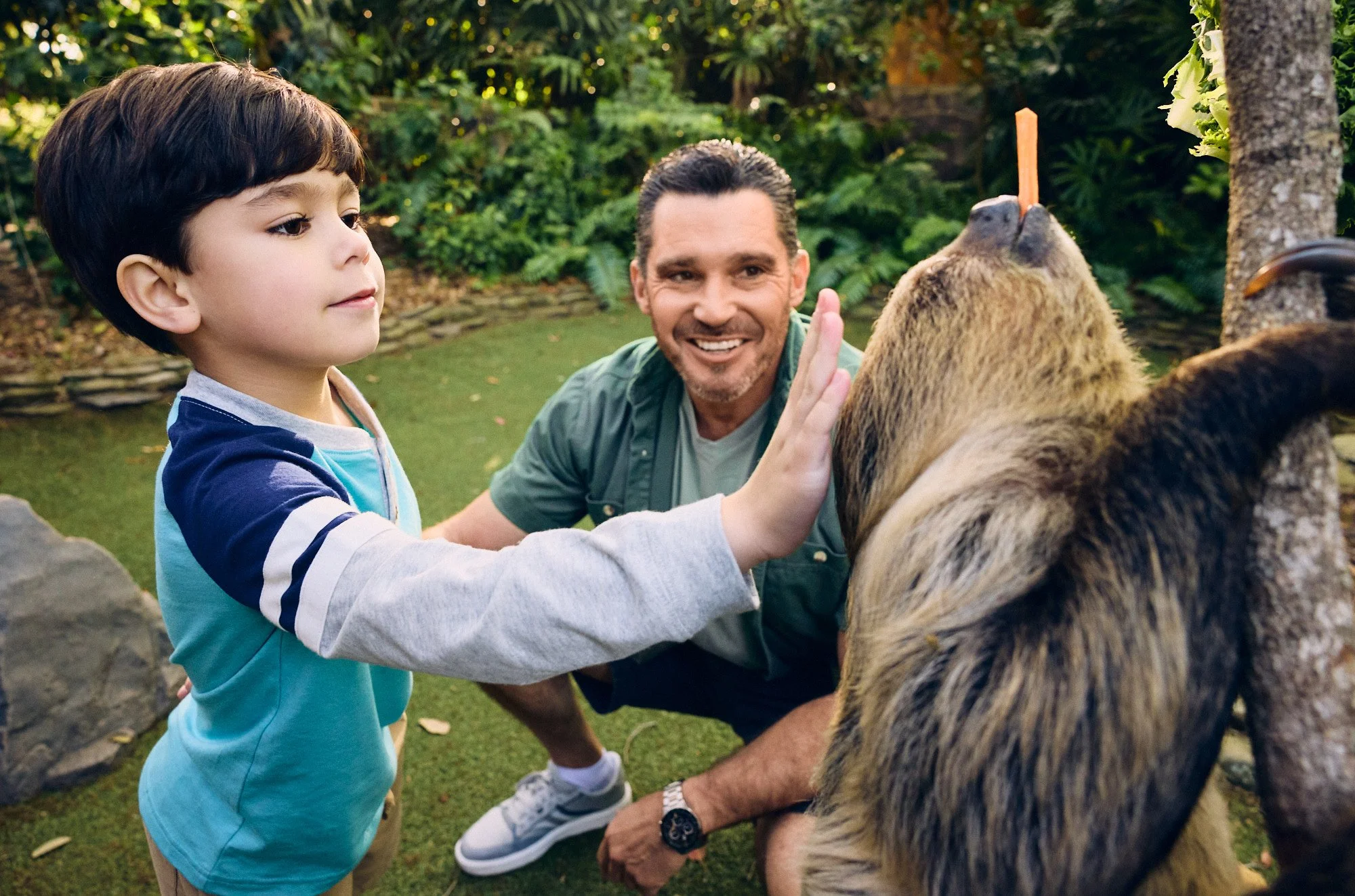
It depends. I know, everybody says that, and in commercial and advertising photography it’s true. A shoot in Florida can be lean. It can also be a full production with casting, wardrobe, assistants, hair and makeup, a producer, locations, props, permits, retouching and licensing.
How many people are in the shoot. People cost money. Talent costs money. Feeding people costs money. Styling people costs money. Moving people around costs money. You get the idea.
The level of production. There's a real difference between "we need some strong brand imagery" and "we need a campaign image library that can carry us across a bunch of channels for a year."
How many hours and setups. Are we doing one location and keeping it tight? Or bouncing around all day with multiple looks and a shot list that could make a squirrel sweat? 10 or 12 hour days?
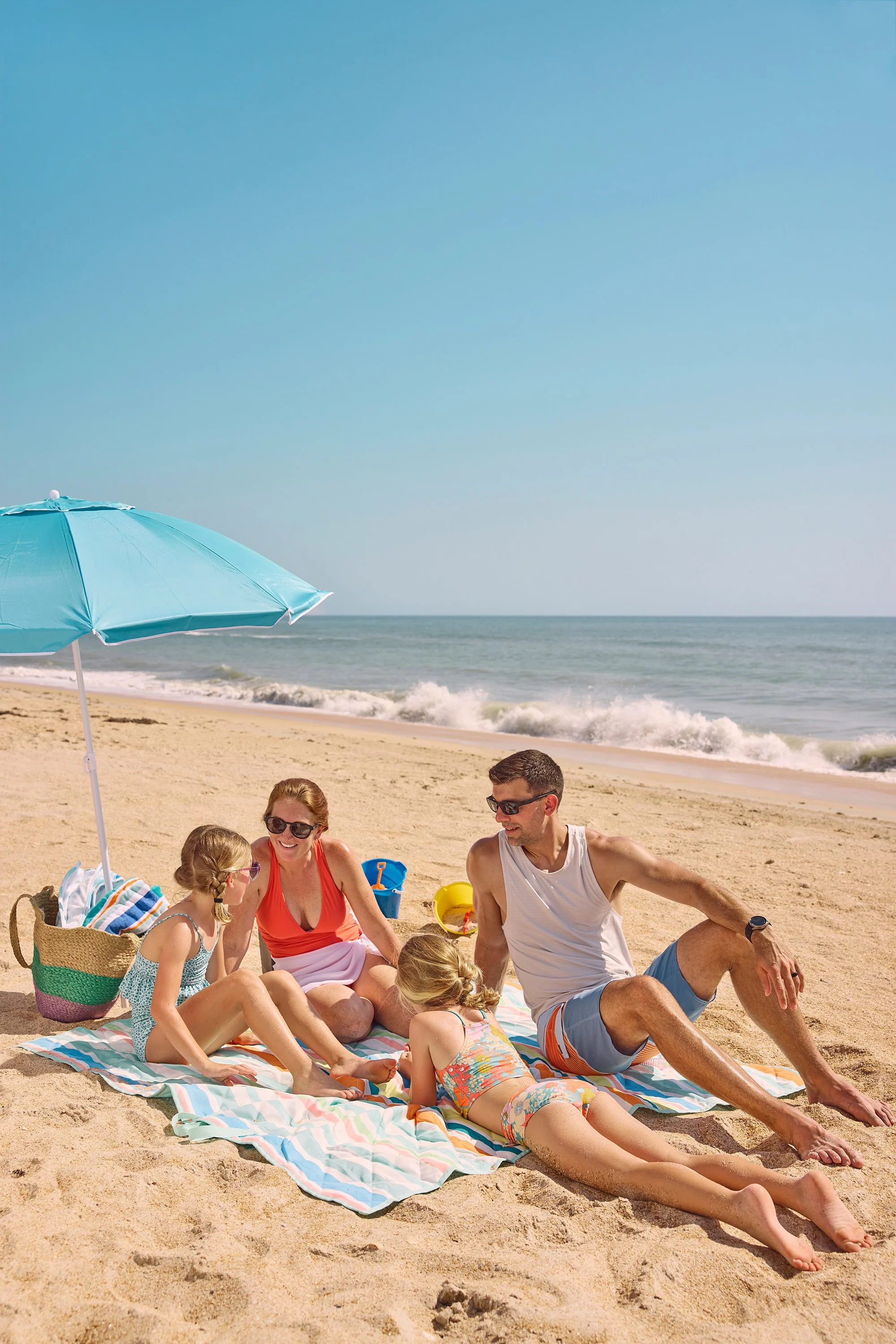
Whether stills happen alongside motion. I do a fair amount of work blending in with motion crews or directing them myself, and it's often a big win for a client. It also changes how the day runs.
How the images get used. This is the big one. A handful of images for web and organic social is one thing. A campaign running in print, paid media, out-of-home and internal materials is another.
What Are You Actually Paying For?
A commercial photography estimate is line item list, not one blended number. Here's what sits on mine.
Creative fee and licensing. I bundle these, but they're two ideas. The creative side is my fee to concept, direct and shoot. You’re paying for 20+ years of expertise in that number. Licensing is about how the images get used: where they run, how many you need, how long you keep them, and whether the usage is local, regional or national.
So when someone asks "what's your day rate," they're usually getting two things in one.
Pre-production. The stuff that keeps a shoot from turning into a tire fire. Creative calls, schedule building, scouting, talent planning, wardrobe conversations, location logistics.
Crew. A producer, assistants, digi-tech, hair and makeup, wardrobe stylist, prop stylist, grip, electric, DP, gaffer. Some jobs need a lean crew, some need a fuller one.
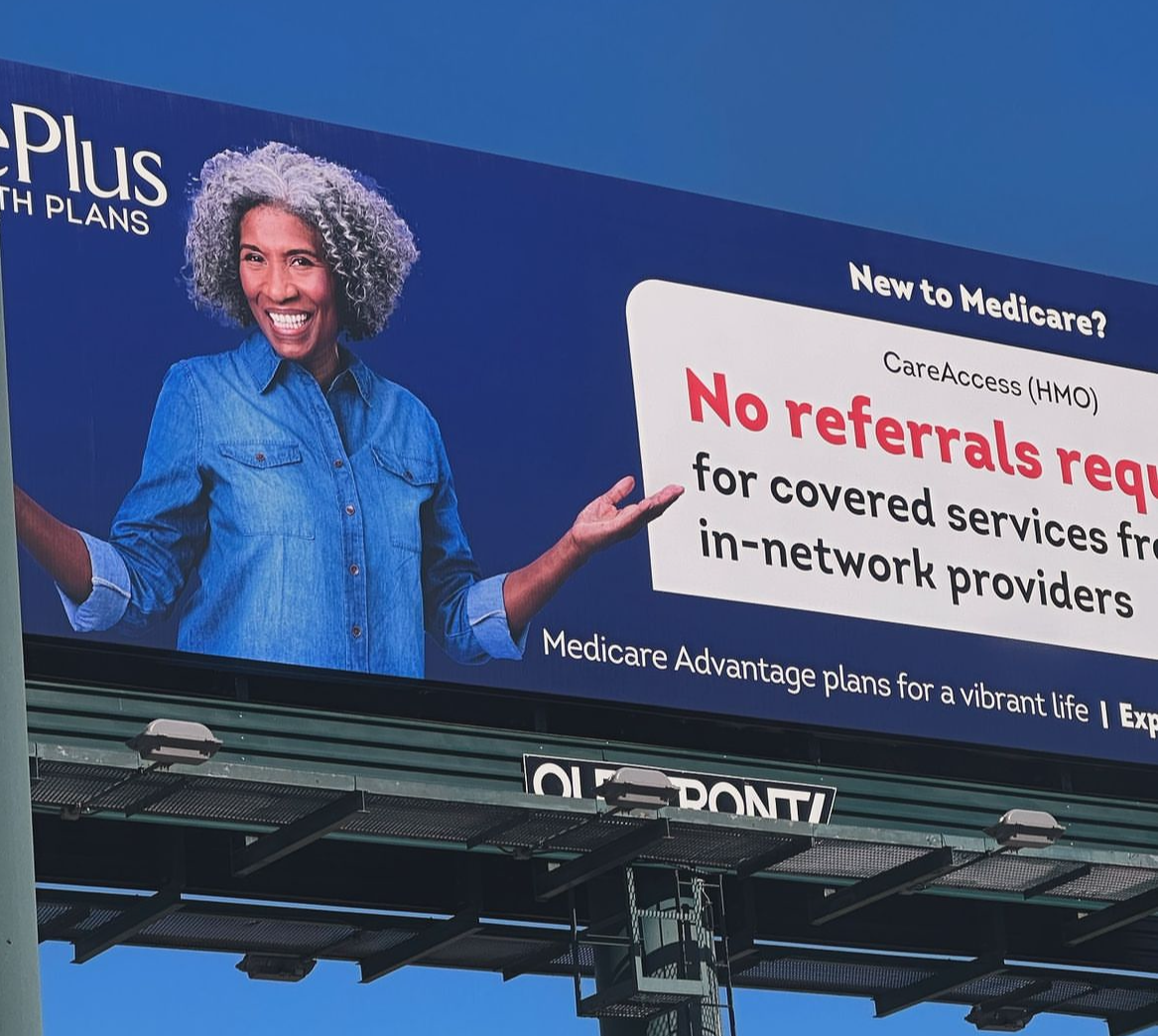
A good example of usage.
Talent, casting, wardrobe and props. A big chunk of most budgets. Real casting, wardrobe pulls, fittings (if necessary) and prop purchases move a number up fast.
Equipment, locations, travel and insurance. The line items people forget when they toss out a casual budget over a handshake. A bigger lighting package, location fees, permits, hotel nights, rentals, added coverage.
Retouching and delivery. You're not hiring me to dump a mountain of half-baked files in a folder and disappear. You're hiring me to curate, edit and deliver a set of polished images that are ready to use.
Here's a number I don't see anybody else publishing. On my commercial jobs a finished delivery is usually 10 to 45 images, and across everything I shoot the full range runs 6 to 75. That set is the product. Standard turnaround is 14 business days from the day you make your selects.
What Does This Look Like on Real Florida Jobs?
I don't love throwing out one random number with no context. The scope dictates the number.
For CarePlus and Humana the work has ranged from lifestyle healthcare imagery to in-studio stills captured next to a video crew. Different goals, different production, different pricing logic. Most of my healthcare photography work sits in that band.
I've also built hospitality image library work for Holiday Inn Club Vacations, and warm, believable imagery for Comfort Keepers. If a year of usable pictures is the actual goal, how a brand image library works is the better page to start on, because it's priced as a program rather than a shoot.
For homebuilders the shape is different again. A 2-day amenity shoot at a master-planned community near Lake Nona ran 10 paid talent, a crew of 8, and a day and a half of pre-production before anyone picked up a camera, for 30 finished images licensed to digital, print and a sales center wall.
And if you're a production company rather than a brand, unit stills on a film or commercial set is quoted differently again, usually by the shoot day against a production's schedule.
Orlando and Central Florida are home, and I shoot Tampa, Miami, Jacksonville and Atlanta regularly. Travel is a line item, not a barrier.
The final images may look effortless. Getting there usually isn't.
What Should Clients Ask Before They Book?
"What's your day rate?"
That question is sometimes too small for the job. It leaves out licensing, talent, crew, pre-pro, retouching and usage. It's a little like asking what dinner costs before mentioning if you're ordering tacos or renting out the whole restaurant.
"Why is one bid three times the other?"
Read what each one includes before you read the number. Most of the time the gap is usage, crew and finished-image count, in that order. A quote with a low number and no usage terms isn't cheaper. It's smaller. Comparing bids is smart and you should do it. I would.
"Do we get every image?"
No. You get the agreed number of strong final images, selected and finished with intention.

"Do we get the RAW files?"
Usually, no. And to be direct, RAW files are not the product. You're hiring me for my eye, my judgment and my editing. You don't want to dig through 5,000 images to find the best one and then learn to edit like I do.
"Why does licensing matter?"
Because the value of a picture changes with how hard it's working. A small batch for limited use is one thing. A campaign image running across web, social, print, paid media and out-of-home is doing a lot more lifting.
How Should You Think About Your Budget?
The better question is not "what do you charge."
The better questions are: what are we trying to make, how many final images do we need, how are they being used, what level of production does this actually need, and are we staying lean or building a campaign library.
Passing those answers along to me will help me come up with a fair estimate. A smaller budget doesn't make you a bad fit. It usually means the scope needs tightening and the plan needs to be smart. If you want to see what the work looks like before you scope it, my commercial lifestyle and advertising photography page is the place to start.
Final Thought
Commercial lifestyle photography is not consumer portrait pricing with a fancier haircut.
It's a production service, and the numbers vary because the productions do. A quote that looks expensive next to a day rate is usually just a quote that included everything.
If you're a brand, agency, healthcare company or marketing team in Florida trying to figure out what your shoot should realistically cost, reach out. I'm happy to talk through scope, usage and what level of production actually makes sense.